The postpartum period—often called “confinement”—is a critical phase that supports a new mother’s physical and emotional recovery. Depending on your cultural background, you may encounter various customs believed to accelerate healing, stabilize hormones, and nurture the bond between you and your newborn. From dietary protocols steeped in Traditional Chinese Medicine (TCM) to postnatal massages popular in Southeast Asia, these practices share a common thread: a focus on warmth, rest, and specialized care.
Let’s examine the most prevalent confinement methods, explain why they endure, and show you how to decide which traditions fit best into your lifestyle. If you’re a first-time mum or simply looking to refine your postpartum experience, understanding these time-tested approaches can help you craft a supportive and meaningful recovery period.
Why Confinement Matters
Historically, confinement’s primary goal is to ensure a new mother regains her strength and prevents lingering health issues related to childbirth. In many places, it often spans about a month—a window where mothers are encouraged to prioritize rest and closely follow certain healthful rituals.
Adhering to suitable confinement practices can lead to:
- Enhanced Energy: Well-chosen meals and minimal exertion can accelerate tissue repair and stabilize hormone levels.
- Lower Stress: Relieved of major domestic tasks, mothers can focus on recovering and caring for their newborn.
- Stronger Emotional Well-Being: Having external support—especially from a knowledgeable nanny—can alleviate anxieties tied to new motherhood.
That said, some aspects—like forbidding showers for long stretches—may not align with modern hygiene needs. Many families modify these customs to suit current lifestyles, creating a balance that retains tradition without sacrificing comfort or practicality.
Confinement Practice #1: Specialized Postpartum Meals
The Tradition
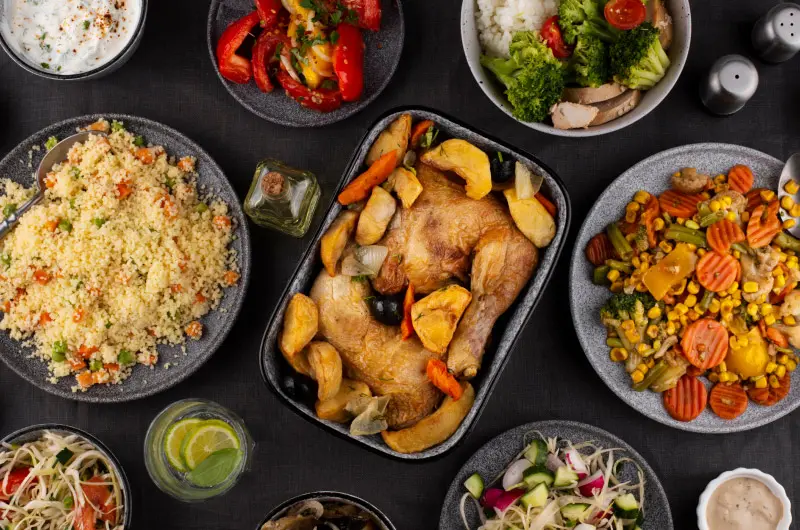
In many East Asian households, confinement meals emphasize warming ingredients—such as ginger, sesame oil, and certain herbs—and hearty proteins like chicken or fish. Preparations often aim to expel “wind” from the body, restore depleted blood, and supply the nutrients necessary for lactation.
Modern Interpretation
Classic dishes like sesame oil chicken or pig trotters in black vinegar remain popular, but some households tone down sweetness, salt, or oil to suit contemporary health standards. The key is preparing nutrient-rich meals designed to support the body’s recovery after pregnancy. Hiring a professional confinement nanny ensures fresh, carefully cooked dishes every day, relieving you from meal prep.
Conclusion:
These meals suit any new mother seeking a quick post-birth energy boost. Individuals with dietary restrictions—like food allergies or a vegetarian lifestyle—can still enjoy warming principles by working with a nanny or medical expert to adapt recipes.
Confinement Practice #2: Emphasis on Rest and Limited Outings
The Tradition
Ancient beliefs in many cultures encourage new mothers to remain largely indoors, minimizing exposure to wind and overstimulation. The body is considered especially vulnerable during this period, and even minor stressors might slow healing.
Modern Interpretation
Complete isolation for weeks isn’t always feasible, especially if you have older children or other pressing responsibilities. Some mothers opt for limited outings or short walks, maintaining the spirit of rest while preserving mental well-being. It’s about striking a balance: ensuring adequate downtime without feeling trapped inside.
Conclusion:
Anyone grappling with postpartum fatigue, aching joints, or unstable hormones can find relief in a protected, calm environment. Mothers prone to mood dips may find that brief, carefully planned outdoor breaks help alleviate feelings of cabin fever.
Confinement Practice #3: Herbal Baths and Warming Therapies
The Tradition
Limited herbal baths involve soaking in warm water infused with ingredients like ginger or aromatic leaves. TCM philosophies suggest this approach keeps the body “warm” and guards against the intrusion of “wind.” Many also advise wearing socks or slippers or even doing away completely with showers..
Modern Interpretation
Thanks to more comfortable indoor temperature-controlled climates, some families prefer to increase the frequency or duration of herbal soaks. A professional confinement nanny can customize these baths and monitor water temperature to keep you both clean and comfortable. If strong herbal fragrances are an issue, milder versions can still provide soothing warmth to fatigued muscles.
Conclusion:
Mothers experiencing muscle tension or chills may find herbal baths particularly rejuvenating. The gentle heat and aromatic herbs can promote blood flow, uplift your mood, and offer a moment of relaxation amid hectic baby care.
Confinement Practice #4: Postnatal Massages
The Tradition
Postnatal massages frequently appear in Southeast Asian confinement traditions. Techniques may include gentle uterine massage, full-body relaxation, and specialized belly-binding to encourage the body’s natural alignment after birth. Warm oils or herbal compresses add to the soothing effect.
Modern Interpretation
While some mothers follow strict massage regimens every few days, others only schedule occasional sessions to address specific aches. For those who’ve had a C-section or complicated delivery, medical clearance is crucial. Many find that postpartum massages do more than aid muscle recovery; they also reduce stress and promote better sleep.
Conclusion
Any mother dealing with general discomfort, fluid retention, or hormonal ups and downs might benefit from the physical and emotional relief a massage can provide. A qualified masseuse—sometimes arranged by your confinement nanny—will tailor methods to your specific needs, ensuring safety and comfort.
Confinement Practice #5: Avoiding “Cooling” Foods and Beverages
The Tradition
TCM-based views often label certain foods as “cooling.” This can mean raw (uncooked) produce, cold drinks, or ‘cooling’ fruits like watermelon and oranges. In postpartum theory, introducing too many of these items could hinder circulation and slow healing. Instead, many mothers rely on warm soups, broths, and beverages such as red date tea.
Modern Interpretation
Some new mothers adopt a more moderate stance, limiting but not entirely eliminating raw fruits and vegetables. If you miss fresh produce, you might incorporate lightly stir-fried greens or room-temperature water instead of something straight from the fridge. Consulting a confinement nanny skilled in TCM cooking can help you strike a comfortable middle ground.
Conclusion:
Mothers who follow TCM strictly or who experience discomfort from cold foods may prefer a fully “warming” diet. Others might moderate the practice to ensure they still meet modern nutritional guidelines for fiber and vitamins.
The Role of a Confinement Nanny
A professional confinement nanny amplifies the benefits of these postnatal traditions by tailoring them to your specific health profile and preferences. Rather than grappling with meal prep, laundry, or infant care on your own, you gain a partner who understands TCM principles and modern medical insights alike. Key advantages include:
- Meal Customization: Receive fresh, restorative dishes that respect your taste buds and dietary needs.
- Infant Care Assistance: From day-night routines to soothing methods, a nanny allows you to rest.
- Balance of Tradition and Modern Life: Adapting herbal baths or rest guidelines to fit your schedule can help you feel less “stuck” and more in control.
- Ongoing Monitoring: A nanny trained in postpartum care can catch early signs of postpartum blues or complications, suggesting timely interventions.
Choosing the Right Practices for Your Lifestyle
Much like any health regimen, confinement isn’t a one-size-fits-all undertaking. You may embrace certain customs, like daily herbal baths, while skipping others that don’t resonate. The key is open communication with your spouse, family elders (who may have strong opinions on these traditions), and your confinement nanny or doctor. If you’re unsure about a specific practice—like fully abstaining from cold drinks—discuss viable adaptations or middle-ground solutions.
Points to consider include:
- Your Health Status: Conditions such as high blood pressure or diabetes might necessitate dietary adjustments.
- Personal Comfort: If wearing thick clothing indoors in a hot climate feels unbearable, a nanny can suggest alternatives without compromising postpartum warmth.
- Mental Wellness: Some mothers crave structure and find solace in time-tested rituals, while others thrive on flexibility.
In conclusion, the most common confinement practices—spanning specialized meals, limited outings, herbal baths, postnatal massages, and selective avoidance of “cooling” foods—have nurtured generations of new mothers. They provide a structured approach to healing, emphasizing warmth, rest, and dietary nourishment. Yet modern obligations and individual comfort must also guide your decisions.
Hiring a competent confinement nanny not only relieves you of logistical burdens but also ensures each tradition is thoughtfully applied, striking an ideal balance between heritage and today’s realities. Ultimately, finding your version of confinement—whether it’s strictly traditional or a blend of old and new—can profoundly shape your early postpartum experience, leaving you healthier, calmer, and more present for those precious first weeks of motherhood.