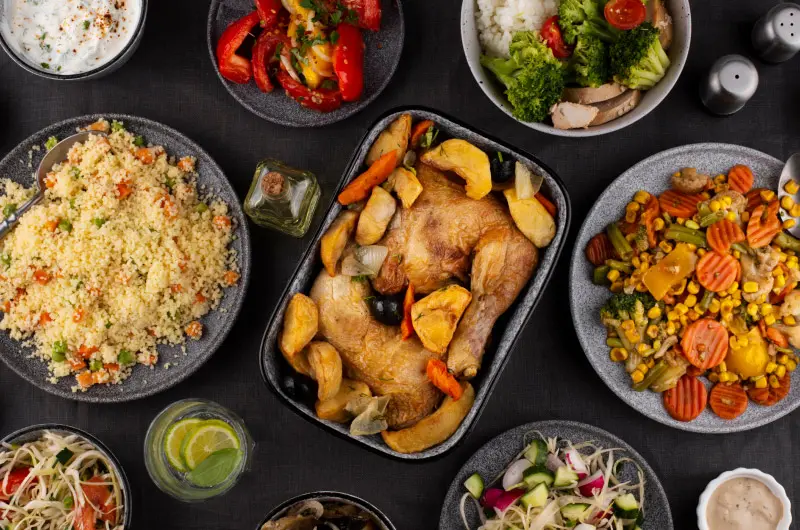
Pregnancy is a transformative journey, marked by physical, emotional, and lifestyle changes. One of the most significant adjustments involves your diet: ensuring you and your growing baby both receive the nutrients necessary for optimal health. While cravings, aversions, and morning sickness can complicate mealtimes, a thoughtful approach to nutrition can make a world of difference. By focusing on balance, quality, and variety, you can pave the way for a smoother pregnancy—and eventually, a more comfortable confinement period.
In this article, we’ll explore key nutrients, practical eating tips, and strategies for managing common dietary challenges. Whether you’re a first-time mother or well-acquainted with the journey, understanding how to “eat well while expecting” sets the stage for a stronger, happier transition into motherhood.
1. The Importance of a Balanced Pregnancy Diet
Eating a well-rounded diet during pregnancy supports the baby’s development and shores up your own health, especially at a time when your body undergoes rapid changes. Proper nutrition can help:
- Promote Fetal Growth: Vital nutrients, including protein and folate, underpin cell division and organ formation.
- Reduce Risks of Complications: A stable diet might lower the likelihood of gestational diabetes, preeclampsia, and anemia.
- Steady Energy Levels: Consistent nutrient intake helps combat fatigue and mood swings, allowing you to better manage day-to-day life.
- Support Postnatal Recovery: Nutrient reserves built up during pregnancy can aid healing after childbirth, an advantage you’ll be thankful for once the baby arrives.
2. Essential Nutrients for Expecting Mums
Protein: Building Blocks for Growth
Protein is the cornerstone of fetal tissue development, including muscles and vital organs. During pregnancy, aim for about 70 grams per day—though individual requirements vary based on factors like body size and activity level.
- Sources: Lean meats, poultry, fish, eggs, beans, and tofu.
Folate and Folic Acid: Preventing Neural Tube Defects
Folate (naturally occurring in foods) and folic acid (synthetic form often found in supplements) are crucial for preventing neural tube defects and supporting the baby’s spinal cord development.
- Sources: Spinach, broccoli, lentils, oranges, and fortified cereals.
Iron: Boosting Blood Volume
Pregnant women require nearly double the iron compared to non-pregnant women. Iron helps form hemoglobin, which transports oxygen to cells. Inadequate iron can lead to fatigue and an increased risk of anemia.
- Sources: Red meat, poultry, fish, beans, and iron-fortified cereals. Pair them with vitamin C-rich foods like bell peppers or citrus to enhance absorption.
Calcium: Strengthening Bones and Teeth
Your baby needs calcium for developing a sturdy skeletal system. If your diet lacks calcium, your body will pull from your own bone stores, potentially weakening your bones.
- Sources: Dairy products, leafy greens, calcium-fortified plant milks (such as almond or soy).
Omega-3 Fatty Acids: Brain and Eye Development
Omega-3s, particularly DHA, are integral to the baby’s brain and eye formation.
- Sources: Oily fish like salmon and sardines, walnuts, flaxseeds, and certain prenatal supplements.
Vitamin D: Supporting Calcium Absorption
Vitamin D aids in calcium absorption and strengthens the immune system for both mother and baby.
- Sources: Fatty fish, eggs, and vitamin D-fortified products. Short periods of sun exposure also contribute to adequate vitamin D levels.
3. Managing Common Dietary Challenges
Morning Sickness and Food Aversions
Nausea and vomiting can strike any time, especially in the first trimester. If you find yourself turning away from once-favorite foods, consider:
- Smaller, More Frequent Meals: Eating every two to three hours can stabilize blood sugar and reduce queasiness.
- Ginger Remedies: Ginger tea or ginger-infused snacks may relieve mild nausea.
- Cold Foods: Sometimes, cold snacks like smoothies or yogurt can be more tolerable than hot meals.
Cravings and Emotional Eating
Pregnancy cravings are natural—whether it’s the urge for a midnight bowl of ice cream or a sudden fascination with pickles. While it’s fine to indulge occasionally, balance remains critical.
- Healthier Alternatives: Swap processed sweets for fruit-based treats. If you crave something salty, choose baked chips or lightly salted nuts over fried snacks.
- Mindful Eating: Take a moment to discern if you’re truly hungry or eating out of stress or habit.
Heartburn and Indigestion
As your uterus expands, it can push stomach acids upward, causing heartburn or indigestion.
- Avoid Trigger Foods: Spicy, fried, or highly acidic foods often exacerbate symptoms.
- Stay Upright: Refrain from lying down right after a meal; wait at least 30 minutes to allow digestion.
- Eat Smaller Portions: Large meals can trigger or worsen acid reflux.
4. Emphasizing Food Safety
Expectant mums are more susceptible to foodborne illnesses. Observing basic safety precautions helps protect you and your baby:
- Cook Meat Thoroughly: Ensure poultry, meat, and fish reach safe internal temperatures.
- Wash Produce Well: Rinse fruits and vegetables to remove pesticides or bacteria.
- Limit High-Mercury Fish: While fish is beneficial, certain varieties (like swordfish or king mackerel) can contain high mercury levels. Opt for salmon, catfish, or tilapia.
- Avoid Raw Foods: Skip raw sprouts, sushi with raw fish, or unpasteurized dairy.
5. Balancing Weight Gain Responsibly
Steady, moderate weight gain supports fetal development. Under-gaining can risk the baby’s health, whereas excessive gain may complicate labor or heighten the chance of gestational diabetes.
- Consult Healthcare Providers: They can recommend a healthy weight range, tailored to your pre-pregnancy BMI.
- Focus on Nutrient Density: Rather than counting empty calories (like candy bars or sugary drinks), opt for foods high in protein, fiber, vitamins, and minerals.
- Stay Active: Light to moderate exercise—like prenatal yoga, walking, or swimming—can help regulate weight gain and enhance mental health.
6. Hydration and Its Role
Proper hydration supports your body’s increased blood volume, nutrient transport, and waste removal. Additionally, drinking enough fluids helps ward off constipation, a common pregnancy woe.
- Water: Aim for at least eight glasses a day.
- Variety: Herbal teas, soups, and fruit-infused waters are tasty ways to stay hydrated while adding micronutrients.
- Watch Caffeine Intake: Coffee or tea can be safe in moderation, but high caffeine intake can interfere with iron absorption. Limit yourself to about one or two cups a day, or switch to decaffeinated options.
7. Meal Planning Made Simple
A balanced pregnancy diet doesn’t have to be overly complicated or gourmet. Incorporate the following tips to simplify your daily routine:
- Plate Method: Fill half your plate with vegetables and fruits, a quarter with lean proteins, and a quarter with whole grains.
- Snack Smartly: Keep nutrient-rich options accessible—like cheese cubes, fruit, or whole-grain crackers.
- Cook in Batches: When energy permits, prepare larger portions of soups or stews that you can reheat quickly.
8. Emotional Well-Being and Nutrition
Hormonal shifts can affect your mood and appetite. Foods that stabilize blood sugar and deliver key nutrients may also mitigate emotional ups and downs. For instance, complex carbohydrates (like oatmeal or quinoa) release energy gradually, preventing mood dips from sugar crashes. Protein-rich meals can help maintain mental clarity and steady energy, while certain omega-3 sources may even support a healthier emotional outlook.
Additionally, stress eating can become a coping mechanism. If you notice you’re reaching for high-calorie snacks out of anxiety, consider non-food activities such as gentle stretching, a brief walk, or a calming shower.
9. Looking Ahead: Postnatal Nutrition and Confinement Support
While pregnancy lasts about nine months, postpartum recovery can be just as critical for long-term health. This is where specialized services like those offered by Xpress Confinement come into play. By providing trained confinement nannies who understand postpartum nutrition, these services can help you maintain the healthy eating habits you’ve cultivated throughout pregnancy.
- Confinement Meals: Rich in warming ingredients like ginger and sesame oil, these traditional recipes aim to help new mums replenish energy and recover more quickly.
- Household Support: Post-birth, even simple chores can feel daunting if you’re sleep-deprived. A confinement nanny handles everyday tasks, letting you rest.
- Breastfeeding Guidance: Many new mothers rely on additional nutritional advice when breastfeeding. Having a skilled professional around ensures you’re getting the right nutrient balance without added stress.
By planning ahead for postpartum care, you can transition smoothly from “eating well while expecting” to “eating well while recuperating,” establishing a strong foundation for both you and your baby.
10. Practical Tips for Staying on Track
- Seek Professional Advice: Pregnancies vary; a registered dietitian or OB-GYN can tailor recommendations based on your specific health needs.
- Keep an Eye on Nutrient Gaps: If your doctor suggests supplements—for instance, prenatal vitamins or specific minerals—be consistent in taking them.
- Practice Mindful Eating: Focus on flavors and hunger cues, rather than mindlessly snacking. This also helps you recognize if certain foods trigger nausea.
- Celebrate Small Milestones: Whether it’s reaching the end of the first trimester or successfully incorporating more veggies into your meals, acknowledge these wins. They reinforce healthy habits and boost confidence.
Eating well while expecting lays a solid foundation for a healthy pregnancy and a more enjoyable postpartum recovery. By emphasizing whole foods, essential nutrients, and careful portion control, you can support both your baby’s development and your own vitality. Even common hurdles like morning sickness, heartburn, or unpredictable cravings are manageable with a flexible, informed approach.
As you progress through pregnancy, remember that small, consistent steps often yield the greatest benefits. Whether this means introducing one more serving of vegetables each day, sipping more water, or curbing excessive sugar, every adjustment contributes to a more balanced diet. In time, these healthy habits will not only enhance your pregnancy experience but also ease the transition into confinement and motherhood. And with the right support—from your healthcare team, loved ones, or dedicated services like Xpress Confinement—you can nurture both your body and your growing family with greater peace of mind.